Clare Abbey Loop Trail: A Complete Walkthrough
Discover the hidden gems and historical landmarks along this scenic 8km riverside loop
Why the Clare Abbey Loop Deserves Your Time
The Clare Abbey Loop isn't just another riverside walk. It's a journey through Irish history wrapped up in one manageable circuit. You'll encounter medieval ruins, native woodland, and views that'll make you forget you're only 8 kilometers from the town center.
This trail works brilliantly for retirees who want something with real substance but don't need to tackle steep climbs. The terrain's mostly gentle, the pacing's yours to control, and there's plenty of spots to rest and take in the scenery. We've walked this loop dozens of times, and it never gets old.
Quick Facts
- Distance: 8 kilometers (approximately 5 miles)
- Duration: 2-3 hours depending on pace and stops
- Elevation gain: 80 meters (minimal climbing)
- Surface: Mix of tarmac, gravel, and grass paths
- Starting point: Parking at Clare Abbey visitor area
Breaking Down the Route: Stage by Stage
The beauty of a loop trail is you can start anywhere, but we'll walk you through it as most people experience it. Starting from the visitor area car park, you'll head west toward the abbey ruins.
Stage 1: Visitor Area to Abbey Ruins (2.1km, 30-40 minutes)
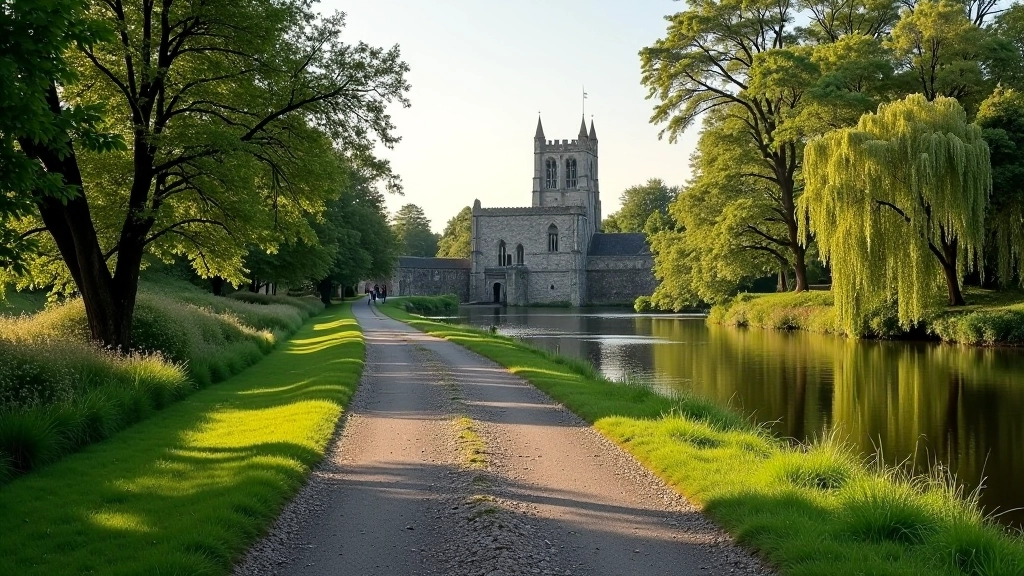
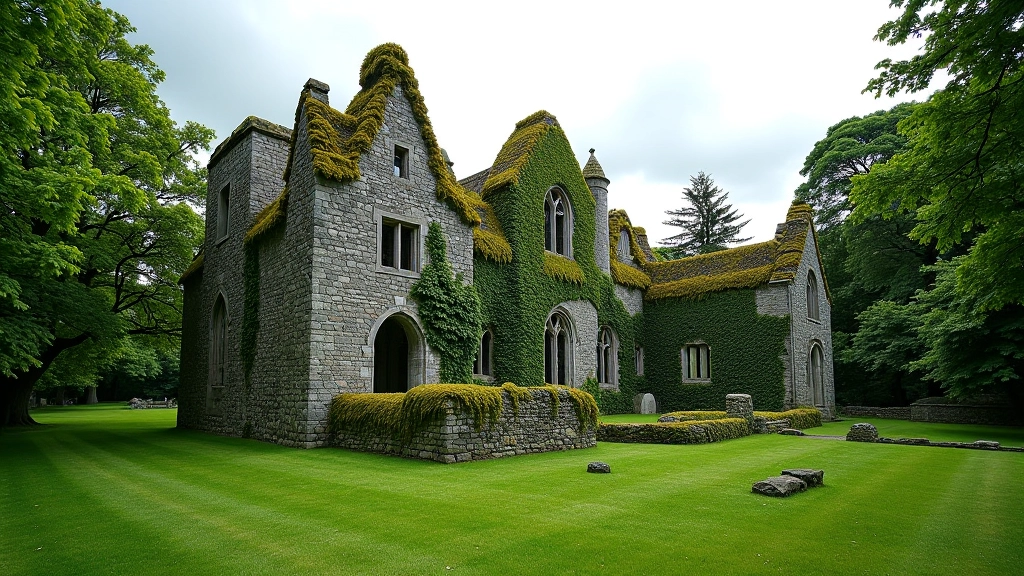
You'll start on a well-maintained tarmac path that curves alongside the river. This section's lovely and easy — it's where you get your legs moving without any strain. The path widens as you approach the ruins, and you'll start seeing the medieval stonework peeking through the trees. The abbey itself dates back to the 13th century, and honestly, standing there gives you proper goosebumps. There's a small information board that explains the history if you want to stop and read.
Stage 2: Abbey to Riverside Woodland (2.3km, 35-45 minutes)
After the abbey, the trail gets a bit more interesting. You'll move onto a gravel path that winds through native woodland — mostly oak, ash, and hazel. This is where you'll notice the river more, especially if there's been rain. The path narrows here, and you're properly in nature. Watch your footing on the gravel, particularly if it's been wet. There are a couple of gentle inclines, but nothing steep. You'll spot bird life here — kingfishers aren't uncommon, and the woodland birds are brilliant year-round.
Stage 3: Woodland to Riverside Meadow (1.9km, 25-35 minutes)
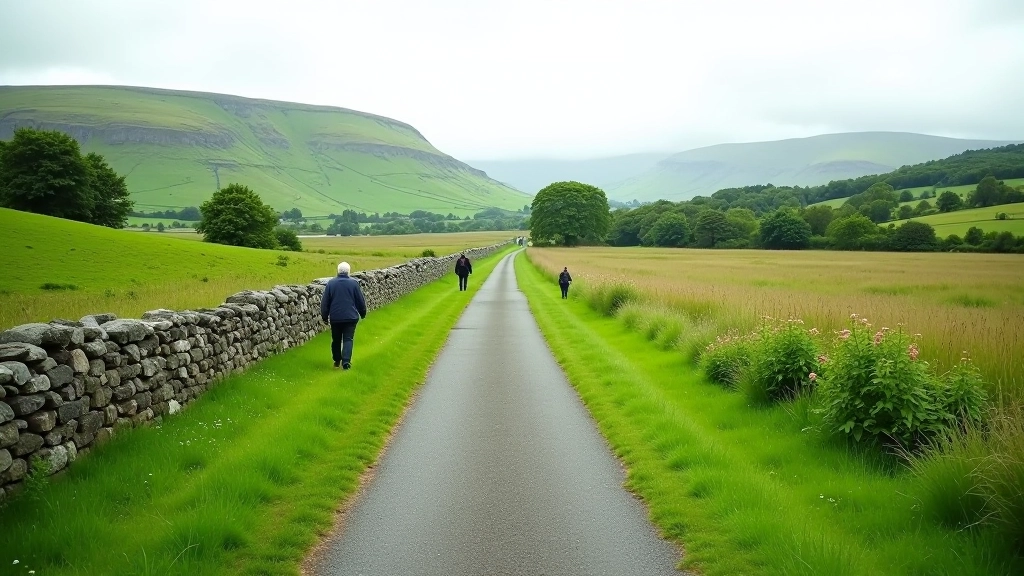
The path opens back up as you exit the woodland into open meadowland. This section's flat and straightforward — perfect for conversation or just soaking in the views. On clear days, you'll see the Slieve Aughty mountains in the distance. There's a bench here that's become a favorite with walkers. People often stop here for a snack and a breather.
Stage 4: Return Through Riverside Path (1.7km, 25-30 minutes)
The final stretch follows the river back to the starting point. You'll be on a mix of tarmac and grass, staying low and close to the water. This is where you might see waterfowl — ducks, herons, the occasional heron if you're lucky. The walk winds down naturally here, and you'll arrive back at the car park refreshed rather than exhausted.
What You'll Actually See Along the Way
Beyond the guidebook descriptions — here's what makes this trail special
Clare Abbey Ruins
The main attraction, built around 1200. The chancel and transepts are still largely intact. It's a quiet, reflective spot that most visitors take 15-20 minutes to explore properly. You'll see carved stonework if you look closely.
Native Woodland
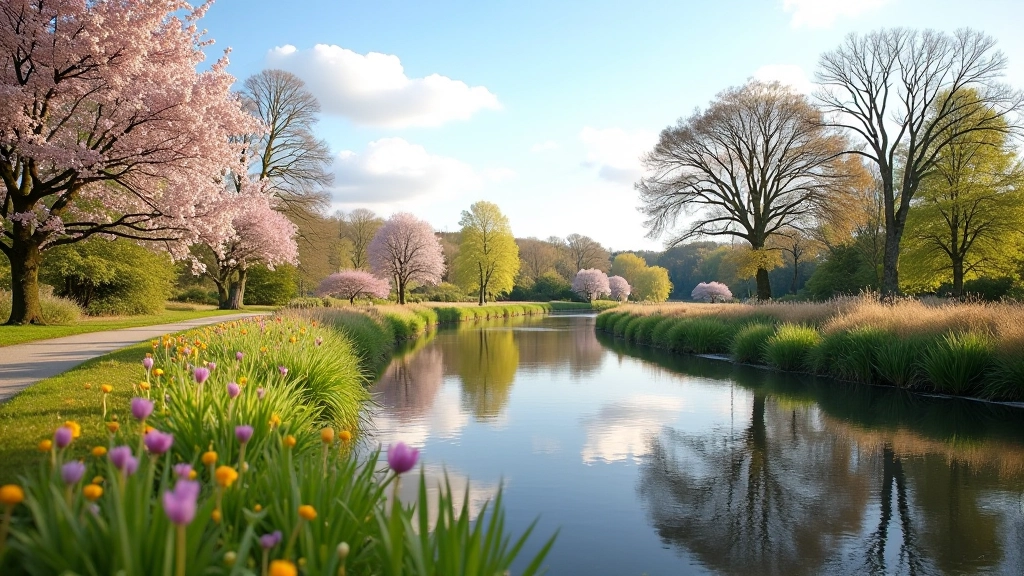
The woodland section (roughly 2km) is genuinely peaceful. Bluebells in spring, changing colors in autumn. The canopy keeps things cool even in summer. It's where you'll feel like you've properly stepped away.
River Views
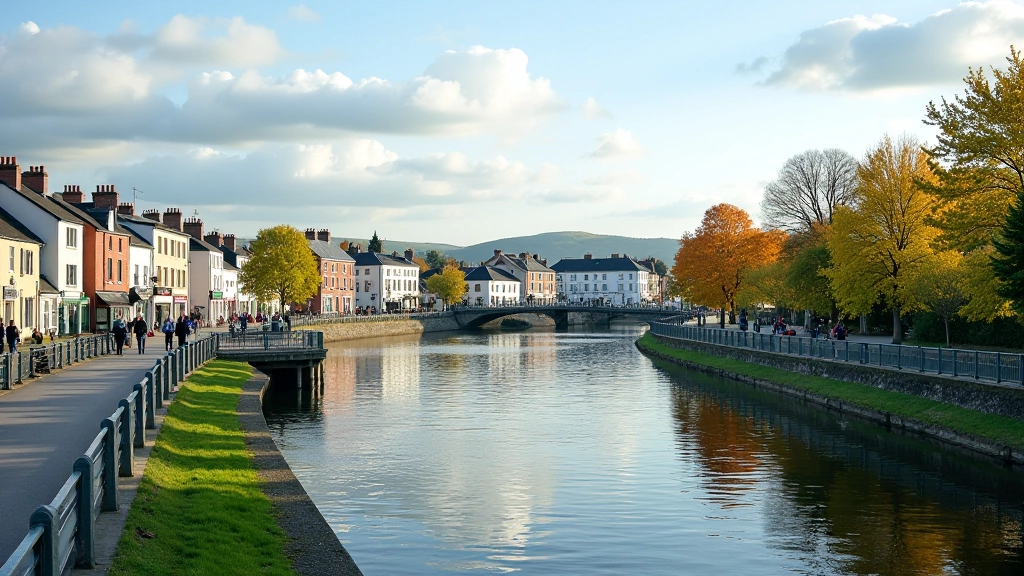
The Fergus River runs alongside much of the trail. Water flow varies with season — it's dramatic in winter, gentle in summer. The riverside meadow section offers uninterrupted views for about 1.5 kilometers.
Wildlife
You'll see birds consistently — finches, woodpeckers, sparrowhawks. Badger setts in the woodland. The river's home to trout and pike. Seasonal butterflies and dragonflies. Bring binoculars if you're interested.
Distance Views
From the riverside meadow section, you've got clear sightlines to Slieve Aughty on clear days. In winter, you can sometimes see all the way to the Burren limestone hills. Perfect for photos.
Rest Points
There are benches at strategic points — one near the abbey ruins, one in the riverside meadow, and several informal spots under trees. You're never far from somewhere to sit and recover.

Planning Your Visit: Practical Details
Best Times to Walk
Spring (April-May) is genuinely brilliant — the woodland's full of bluebells, the weather's warming up, and you won't be battling summer crowds. Summer's fine if you start early and don't mind occasional walkers. Autumn's spectacular but can get muddy. Winter's quietest, though the path can be slippery after rain. Early mornings year-round mean you'll have the trail nearly to yourself.
What to Bring
Waterproof jacket (it's Ireland, weather changes quickly). Sturdy walking shoes with good grip — the gravel section isn't technical, but you don't want to slip. A small backpack with water and a snack. Hat and sunscreen in summer, extra layers in winter. Binoculars if you're into birds. Phone for emergencies, though signal's decent on most of the route.
Facilities
There's a car park at the starting point with facilities. A small café operates seasonally. No toilets on the trail itself, so use facilities before you start. The nearest town (Ennis) is about 10 minutes' drive if you need anything else.
Pro Tips from Regular Walkers
1
Start Early, Skip the Crowds
If you arrive before 10am on weekends, you'll have long stretches entirely to yourself. Weekday afternoons are also quiet. Summer evenings attract more walkers.
2
Take Your Time at the Abbey
Most people rush through. Spend 20 minutes exploring the stonework, reading the information board, and just sitting. It changes the entire experience.
3
The Riverside Bench Is Worth It
About halfway through, you'll find a bench with proper views. Stop here for 10 minutes, even if you don't need to. You'll notice details you'd otherwise miss.
4
Bring Traction on Wet Days
The woodland section gets slippery after rain. Good walking shoes with grip are essential. Some walkers bring hiking poles for stability — perfectly fine on this terrain.
5
Spring Means Bluebells
Late April through May, the woodland becomes a carpet of bluebells. It's worth timing your visit around this if you can. It's genuinely stunning.
6
Don't Skip the Meadow Loop
Some people shortcut this section. Don't. The riverside meadow's where you get the best views and the quietest walking experience.
Important Information
This guide is informational and based on typical trail conditions. Weather, maintenance work, and seasonal changes can affect accessibility and safety. Always check local conditions before you go. The trail can be muddy and slippery, particularly in the woodland section after rain. Wear appropriate footwear with good grip. If you have mobility concerns or health conditions, consult with your doctor before attempting this walk. Bring water, dress appropriately for weather, and carry a phone. The trail is generally well-maintained, but always watch your footing on uneven surfaces.
Worth Every Step
The Clare Abbey Loop isn't a challenging walk, but it's a substantial one. You'll cover real distance, see genuine historical architecture, move through different landscapes, and finish feeling like you've actually accomplished something. It's exactly the kind of walk that retirees love — manageable but meaningful, peaceful but interesting, and close enough to town that you're not spending your whole day traveling.
Start early, take your time at the abbey, sit on that riverside bench, and don't rush the return. You'll understand why this trail's become a favorite among people who've walked all over Ireland. It's got something special about it.
Explore More Riverside Walks
Interested in other riverside walks in the area? We've got guides to other trails that might interest you.
Browse All WalksRelated Walking Guides