
Health Benefits and Safe Walking Practices for Retirees
Discover how regular riverside walks improve fitness, mobility, and overall wellness for retirees. Learn practical safety tips and techniques for enjoying longer routes comfortably.

Why Walking Matters at This Stage of Life
Walking isn't just something to do on a nice day. It's one of the most effective ways to maintain independence, strength, and mental clarity as we get older. The riverside promenades around Ennis offer the perfect setting — beautiful scenery, manageable terrain, and a community of walkers with similar goals.
What's remarkable is how accessible this activity is. You don't need special equipment, gym memberships, or intense training programs. Just a good pair of shoes, some practical knowledge about pacing yourself, and an understanding of what your body needs to stay healthy. That's exactly what we're covering here.
Cardiovascular Health
Regular walking strengthens your heart, improves circulation, and helps maintain healthy blood pressure naturally.
Bone Strength
Weight-bearing exercise like walking helps maintain bone density and reduces fall risk as you age.
Mental Clarity
Walking outdoors boosts mood, reduces stress, and helps maintain cognitive sharpness and memory.
The Real Health Gains from Consistent Walking
After just 4-6 weeks of regular walking, you'll start noticing changes. Your legs feel stronger. You're not as winded climbing stairs. That's not coincidence — it's your cardiovascular system responding to consistent activity.
Here's what happens in your body: Walking at a moderate pace (around 3-4 mph) gets your heart pumping at 50-70% of its maximum capacity. That's the sweet spot for building endurance without overexertion. Your muscles engage differently than in daily life — particularly your glutes, hamstrings, and calves — which means improved balance and stability.
Pro tip: Most people see improvements in sleep quality within 3-4 weeks. Walking in the morning or early afternoon is ideal — it helps regulate your circadian rhythm naturally.
The mental benefits are equally impressive. Regular outdoor walking reduces anxiety and depression symptoms significantly. You're also building social connections if you walk with others or join a local group, which is crucial for long-term health and happiness.
Essential Safety Practices for Longer Routes
Safety isn't about being overcautious. It's about being smart so you can enjoy your walks without worry. The Ennis riverside walks are generally well-maintained and safe, but there are specific practices that make a real difference.
Footwear and Terrain Awareness
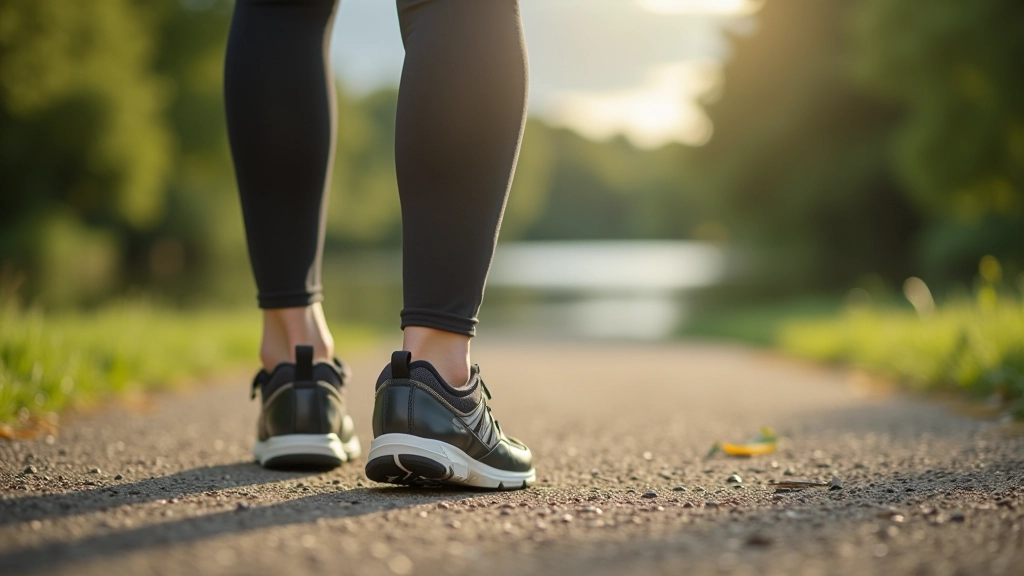
Your shoes matter more than you'd think. Look for walking shoes with good arch support, cushioning in the heel, and a grippy sole. Avoid running shoes (they're designed for forward motion, not stability on varied terrain) and certainly avoid fashion shoes that look good but don't support your feet properly.
On the riverside paths, watch for wet spots, tree roots, and loose gravel — especially after rain. Don't rush over uneven sections. A slower pace through tricky terrain is always smarter than risking a misstep.
Hydration and Pacing
Bring water. Seriously. Even on cool days, your body loses fluids during activity. A small water bottle in your bag takes up almost no space and prevents dehydration, which can cause dizziness or fatigue. Drink before you're thirsty — waiting until you feel parched means you're already behind.
As for pacing: You should be able to hold a conversation while walking. If you're too breathless to talk, slow down. This isn't about speed — it's about sustainability. Most injuries happen when people push too hard too fast.
Proper walking shoes with good support
Water bottle and light snack if walking 90+ minutes
Sunscreen and a hat for sun protection
Inform someone of your route and expected return time
Wear visible colors or reflective gear if walking early/late
Warm up with 5 minutes of easy walking before picking up
pace
Cool down gradually, don't stop abruptly after exercise
Know your body's signals — pain is different from normal
exertion
Perfecting Your Walking Technique
How you walk matters as much as how often you walk. Poor technique can lead to joint strain, back pain, and fatigue — even on short distances. Good technique makes longer walks feel easier.
Posture and Arm Swing
Stand tall. Your head should be level (not looking down), shoulders relaxed, and your spine neutral. Your arms swing naturally at your sides — not rigid, but not limp either. A gentle arm swing actually helps propel you forward and engages your core muscles.
Your stride length should feel natural. Don't overstride (reaching too far forward) — that puts stress on your knees. Instead, let your foot land beneath your hip, not in front of it. Think "roll through" your step: heel first, then ball of foot, then toe. This rolling motion is gentler on your joints and more efficient.
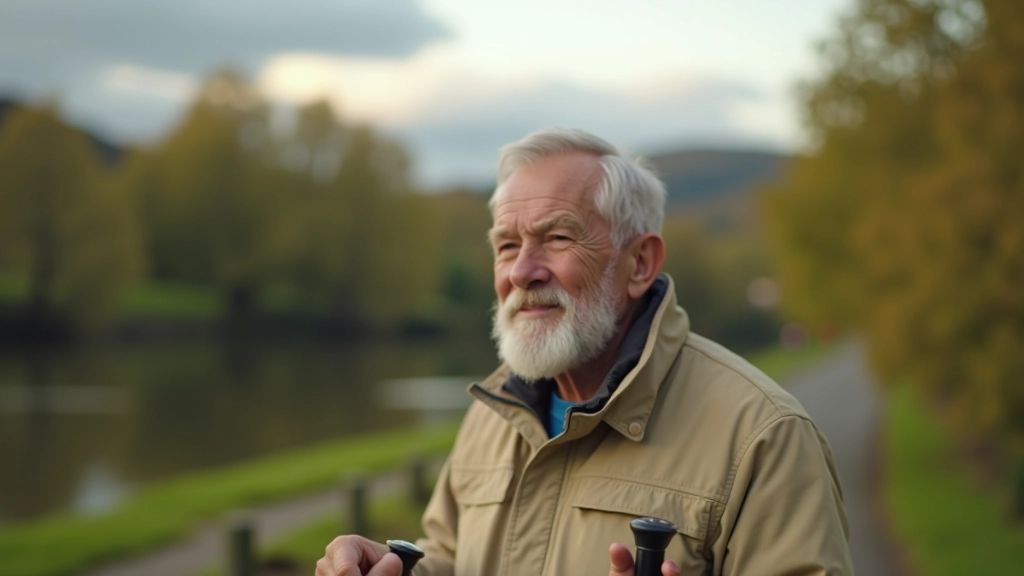
Walking poles tip: If you use walking poles, they're not just for support. They distribute effort across your upper body, reducing stress on knees and hips. Poles also improve balance and confidence on uneven terrain.
Building Your Walking Program Over Time
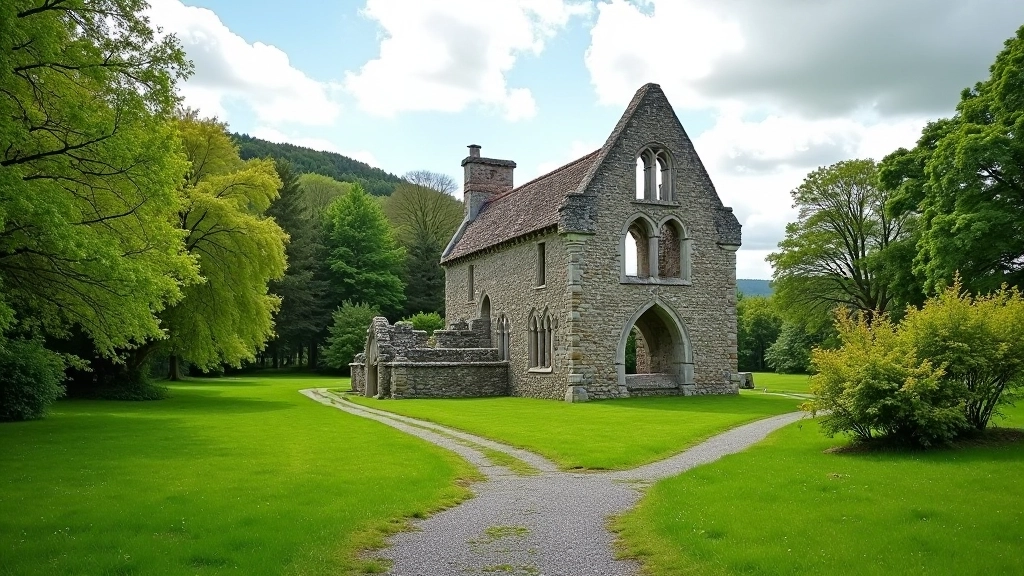
Starting out doesn't mean jumping straight to the full Clare Abbey Loop (about 8 km). You'd build toward that. Here's how to progress sensibly.
1
Weeks 1-2: Foundation
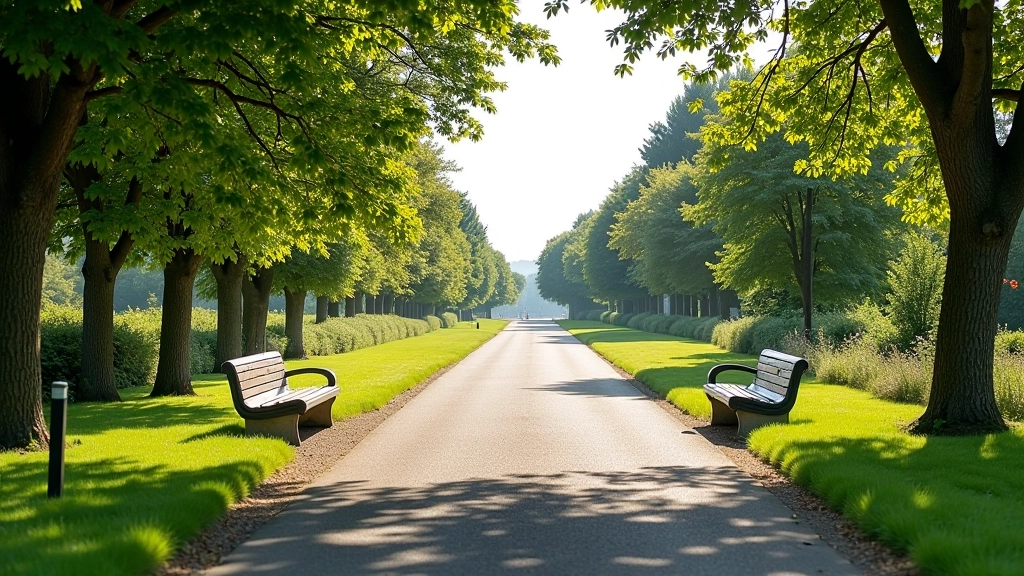
Start with 20-30 minute walks, 3 times per week on flat terrain. Focus on consistency, not distance. The Ennis Riverside Promenade's opening section is perfect here — flat, well-maintained, and scenic.
2
Weeks 3-6: Building Endurance
Increase to 35-45 minute walks, still 3 times weekly. You can now handle slight elevation changes. Add a fourth walk if you're feeling strong, but keep it easy-paced.
3
Weeks 7+: Varied Routes
You're ready for longer walks (60+ minutes) and more challenging terrain. The full Clare Abbey Loop is achievable now. Vary your routes to keep things interesting and challenge different muscle groups.
Health and Safety Information
This article provides general educational information about walking benefits and safety practices for retirees. It's not medical advice. If you have existing health conditions, joint problems, or haven't exercised regularly in some time, consult with your doctor or a healthcare professional before starting any new exercise program. Everyone's body is different, and what works for one person may need adjustment for another. Listen to your body, and don't hesitate to seek professional guidance if you experience pain, dizziness, or other concerning symptoms during or after walking.
Start Your Walking Journey This Week
The health benefits of walking are real, measurable, and achievable at any age. You don't need to be an athlete or have previous experience. You just need comfortable shoes, a bit of time, and a decision to start. The riverside walks around Ennis are waiting — they're beautiful, safe, and perfect for retirees looking to improve their health while enjoying the outdoors.
Pick a time next week. Invite a friend or go solo. Start with that 20-30 minute walk on a flat section of the promenade. You'll be surprised how quickly your body responds and how much better you feel. And if you're wondering about specific routes, distances, or what to expect on particular trails, we've got detailed guides covering every aspect of the Ennis riverside walks and Clare Abbey Loop.
More Guides to Explore